September 12, 2026
Online 19:00 BST – UK LOCAL TIME (18:00 UTC) Event Duration: 1.5 hours Automatic music transcription, which converts an audio recording into a symbolic representation such as a score or MIDI, remains a hard problem for multi-instrument music, where overlapping harmonics and diverse timbres must be disentangled. Progress is held back by a data bottleneck: note-level annotation is expensive and requires expert musicians, leaving labelled datasets for transcription very scarce. This talk explores self-supervised learning (SSL) as a way to sidestep that bottleneck by learning musical representations from unlabelled audio. I will focus on a controlled comparison of two masked-modelling paradigms: reconstruction-based learning with a masked autoencoder (MAE), which reconstructs masked spectrogram regions, and predictive learning with a joint embedding predictive architecture (JEPA), which predicts masked regions directly in representation space. Using identical Transformer encoders, I will show that the two objectives are broadly comparable on transcription performance but offer complementary strengths depending on instrument and texture. Initialising JEPA from an MAE-pretrained encoder produces consistent further gains. I will also discuss what the learned latent spaces reveal about how each objective organises musical information, and why no single geometric metric reliably predicts downstream transcription performance.


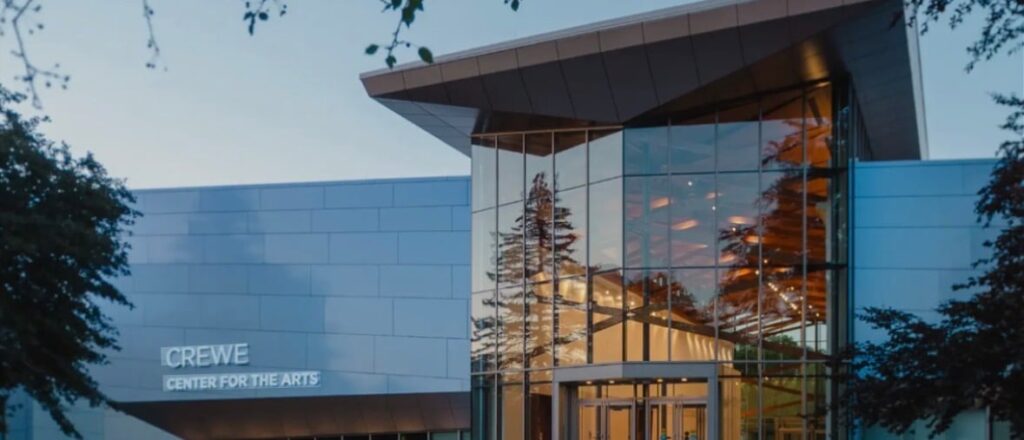
 September 12, 2026USM’s recently completed Crewe Center for the Arts will be hosting AES Northern New England for a tour of the…
 September 12, 2026MedRhythms combines sensors, software and music with advanced neuroscience to target neural circuitry for conditions including stroke, multiple sclerosis and…
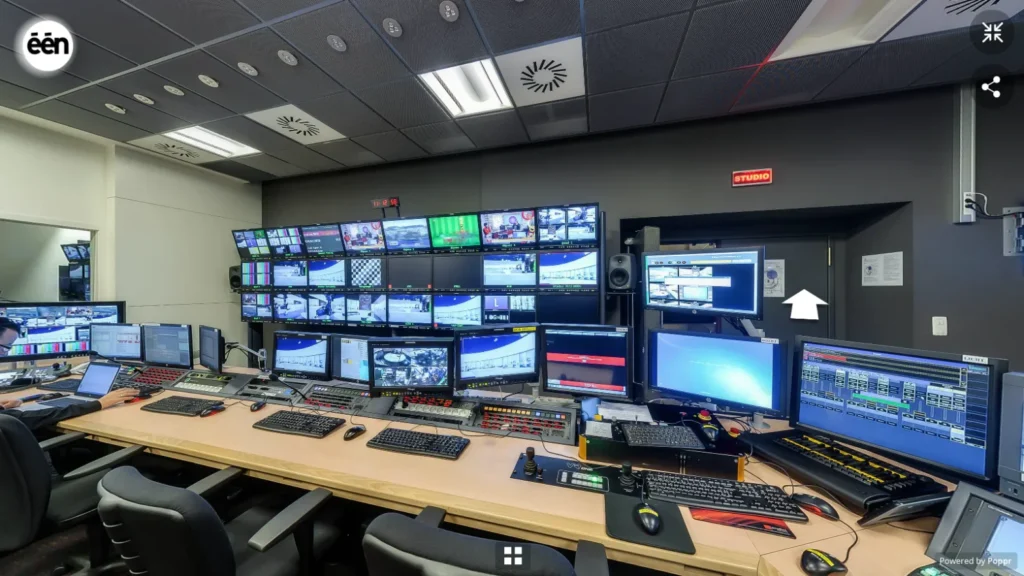
 September 12, 2026Join a visit to the radio and tv studios at VRT (the Flemish public broadcaster) on October 13th from 2pm…
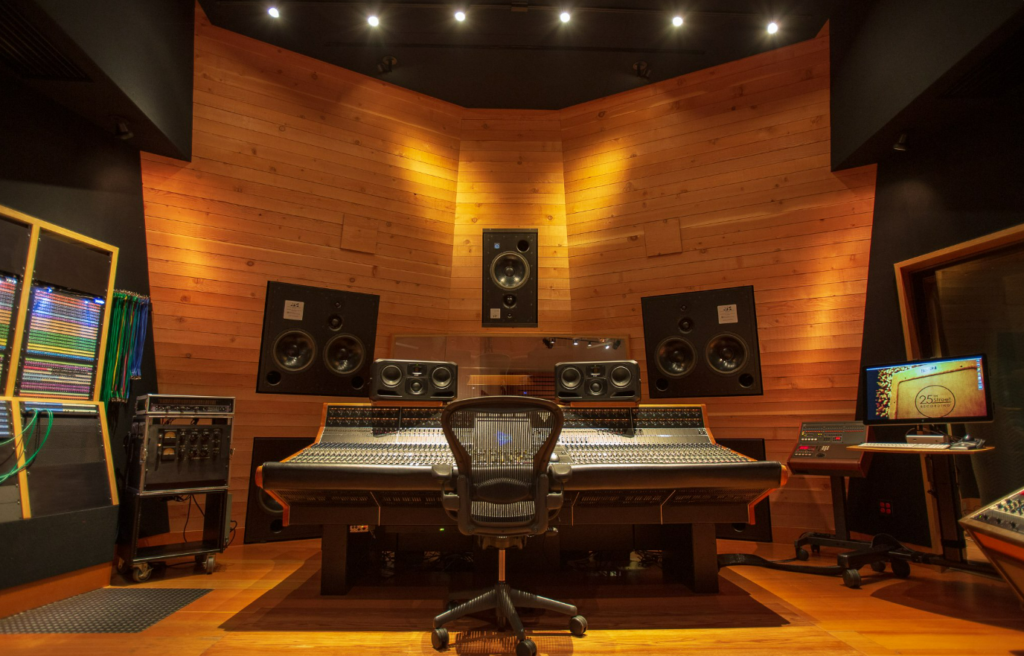
 September 12, 2026This is a one-day opportunity to visit some of the top audio facilities in the Oakland, Alameda & Berkeley area,…
 September 12, 2026Format: In-person Event Description: Experience a rare, personalized demonstration of Sony’s 360 Virtual Mixing Environment (360VME) in Meyer Sound’s Pearson…
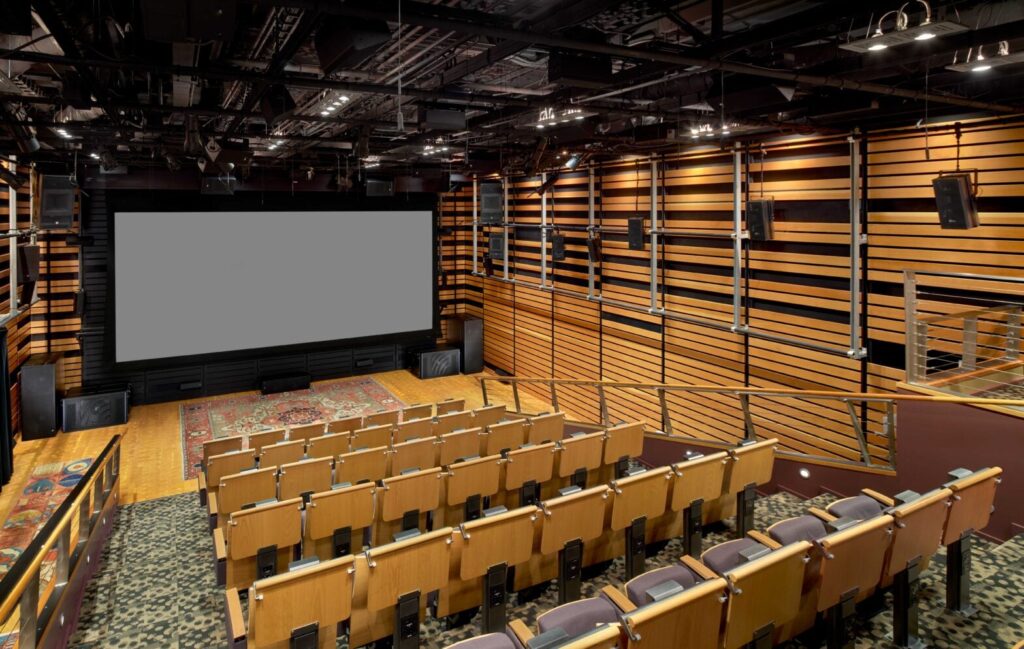
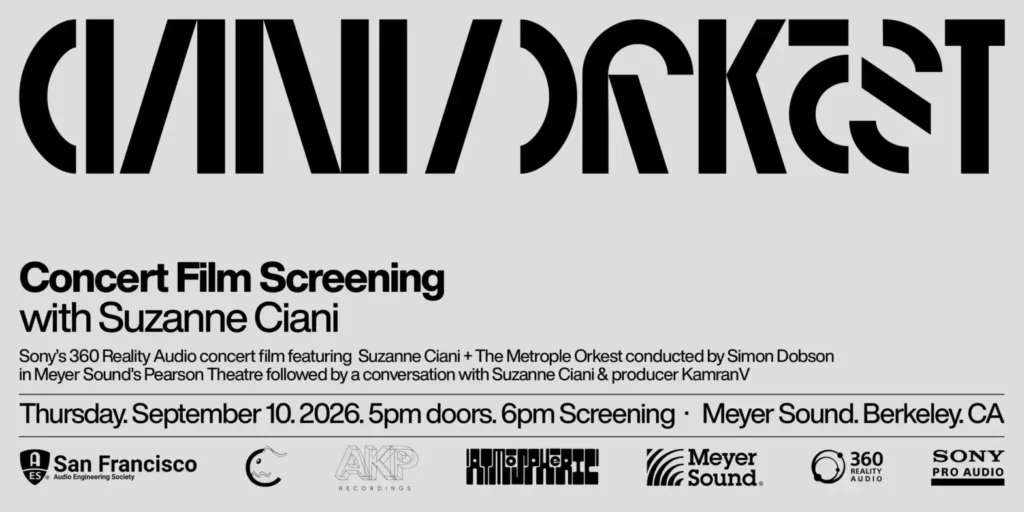
 September 12, 2026Format: In-person Event Description: A Sony 360 Reality Audio concert film screening of CIANI/ORKEST, the landmark live album pairing electronic…